
Zircon
Zircon is a very cool gem for a lot of reasons - it has a firey sparkle to it that comes from it’s high refractory index (the way light bends and reflects through a stone to give you brilliance!), it’s dispersion (the way the prisms of light come alive inside of it) and it’s double refraction feature (the way the light dazzles). A well-cut Zircon offers a sparkling effect that tops a diamond, and when it meets the natural sunlight, it’s just stunning!
Zircon is a natural mineral, but is often treated to enhance it’s gem-quality colors and is one of the oldest found gemstones! Zircon currently holds the title of Oldest Gemstone, with it’s history going back to the Jack Hills in Perth, Australia. It’s resistance to modifications in the environment have allowed Zircon to become an incredible tool in scientific dating.
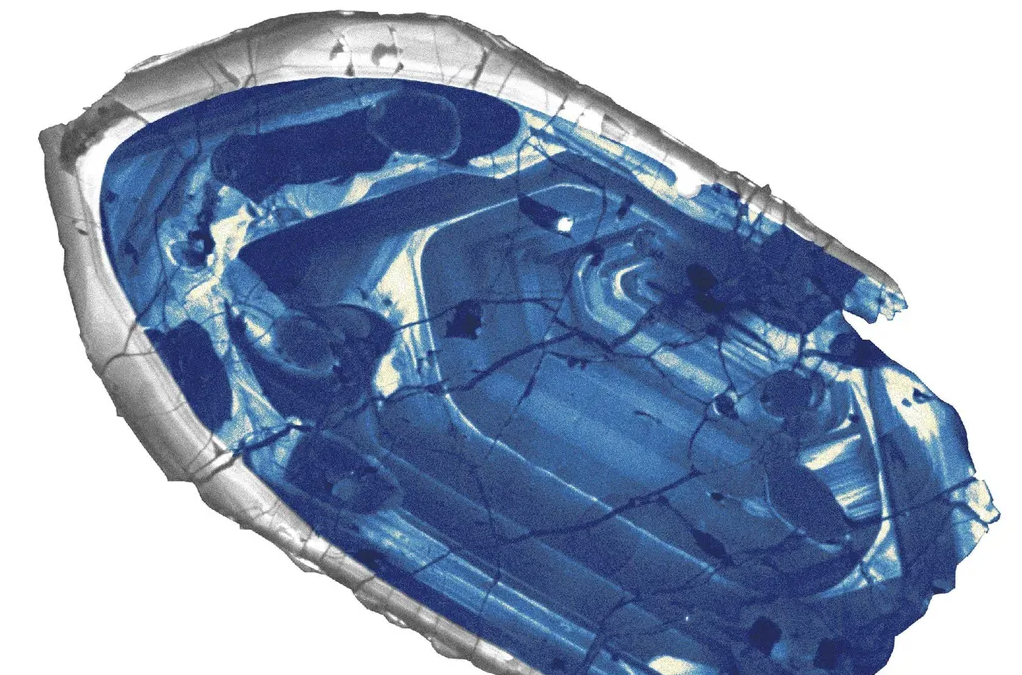
Zircon mineral, image from the Smithsonian
Zircon in Space?
Some Zircon has been found to contain traces of uranium, causing it to irradiate and change properties on it’s own (a Radioactive gemstone). The radiation decays over time, and can damage or change a Zircon’s internal structure. In short, a Zircon has a life of it’s own!
The Apollo 17 space mission even discovered Zircon crystals on the moon. The radioactive decay within the stone gave us incredible insight to an approximate age of the moon, dating it back further than suspected!
Zircon in Fine Jewelry
Zircon ranks a 6.5-7 on the MOHS scale, so it’s relatively durable but can scratch easily - you might lean towards a necklace or earrings, or a more occasional cocktail or special event ring for your Zircon. It’s commonly one of December’s birthstones, and provides a glittery gem in a vast range of color.
Zircon is often confused with the common, synthetic diamond look-alike Cubic Zirconia, but don’t let the similarity in names dissuade you from exploring the incredible brilliance, vibrant color, and ancient folklore of the Zircon!
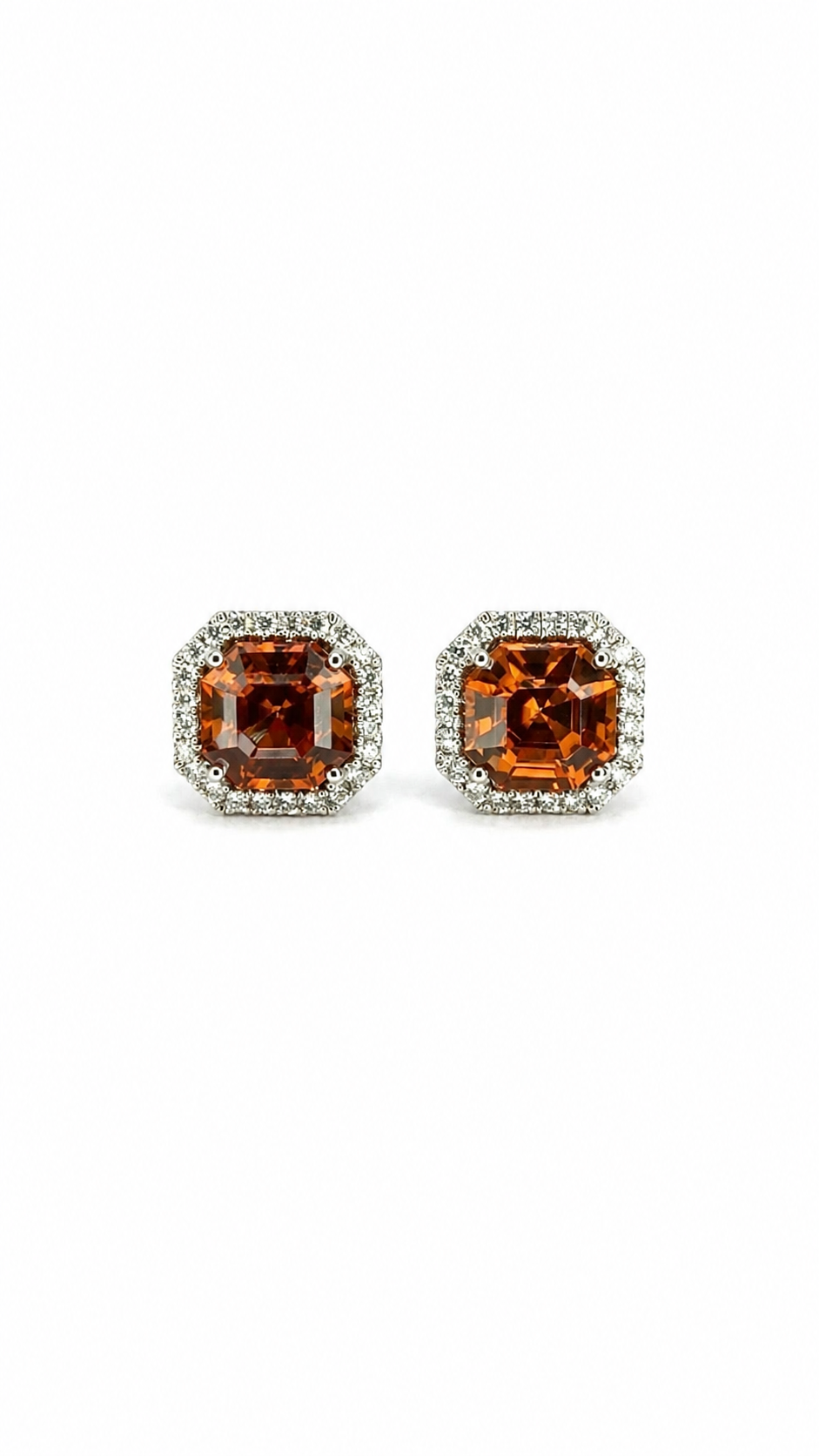
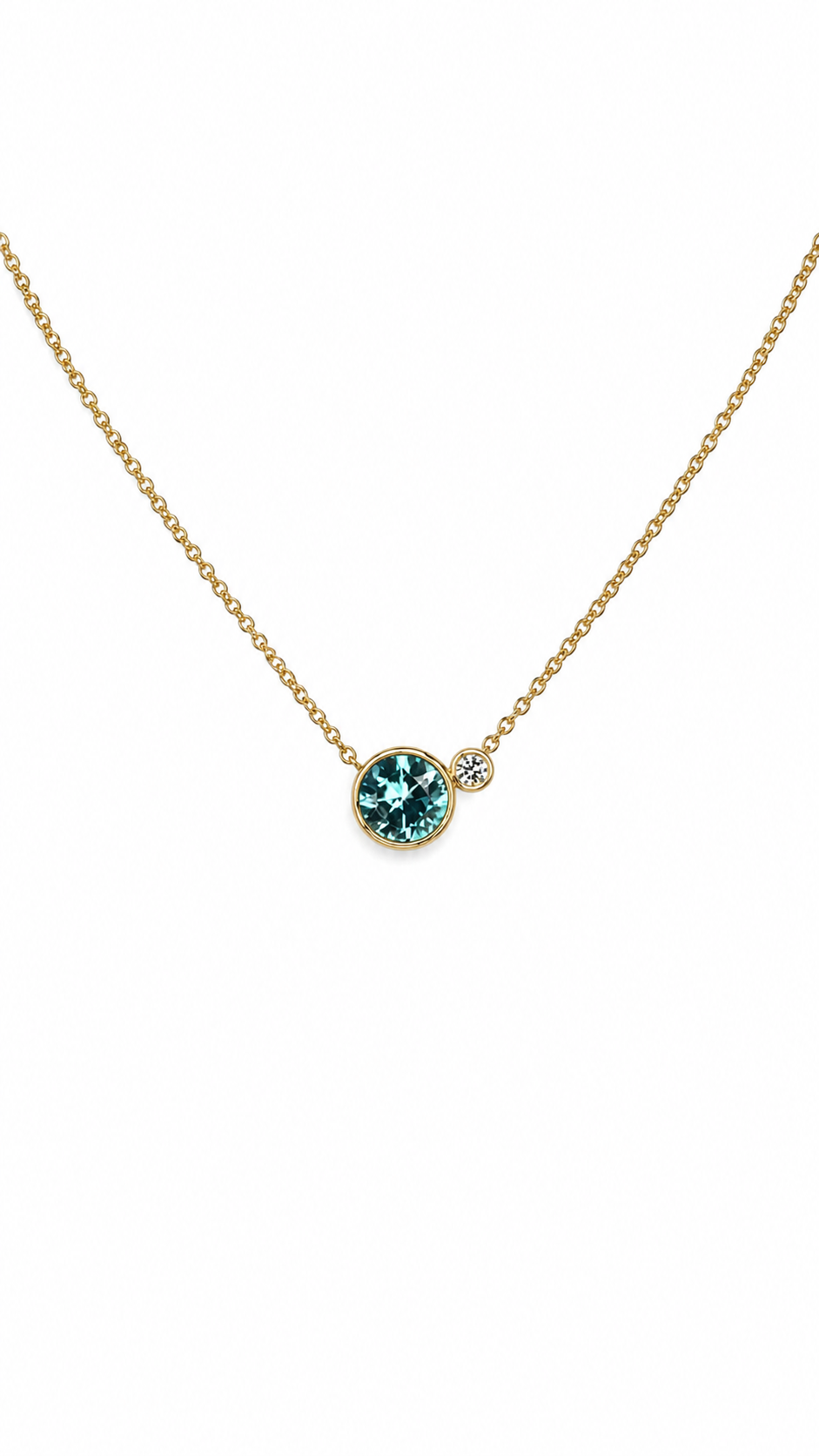
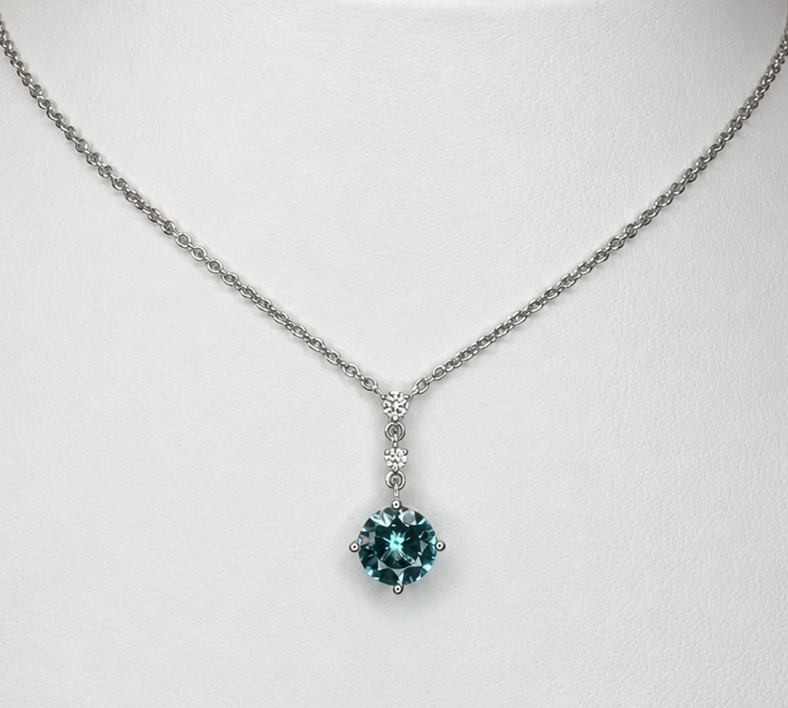
An absolute favorite of the Rings True staff, made up of natural multi-color Zircon gemstones in earthy shades of browns, reds, oranges and yellows. This one makes a perfect piece to wear through the autum season and brings chunky, delicious color to your favorite gold chains and pendants.
18” total length; custom lengths available by request
14kt Yellow Gold Lobster Clasp